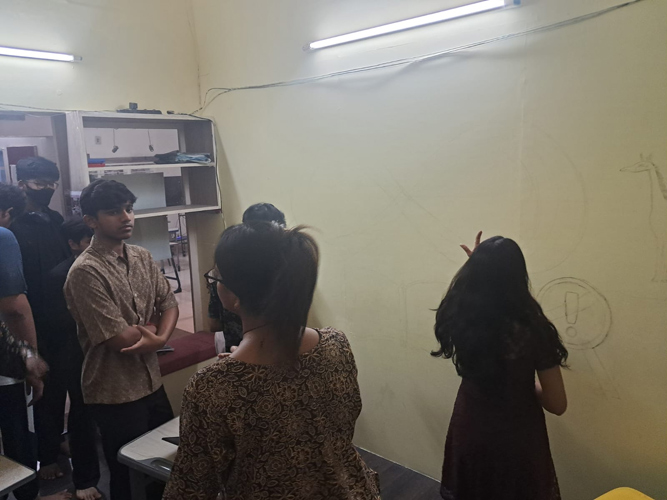
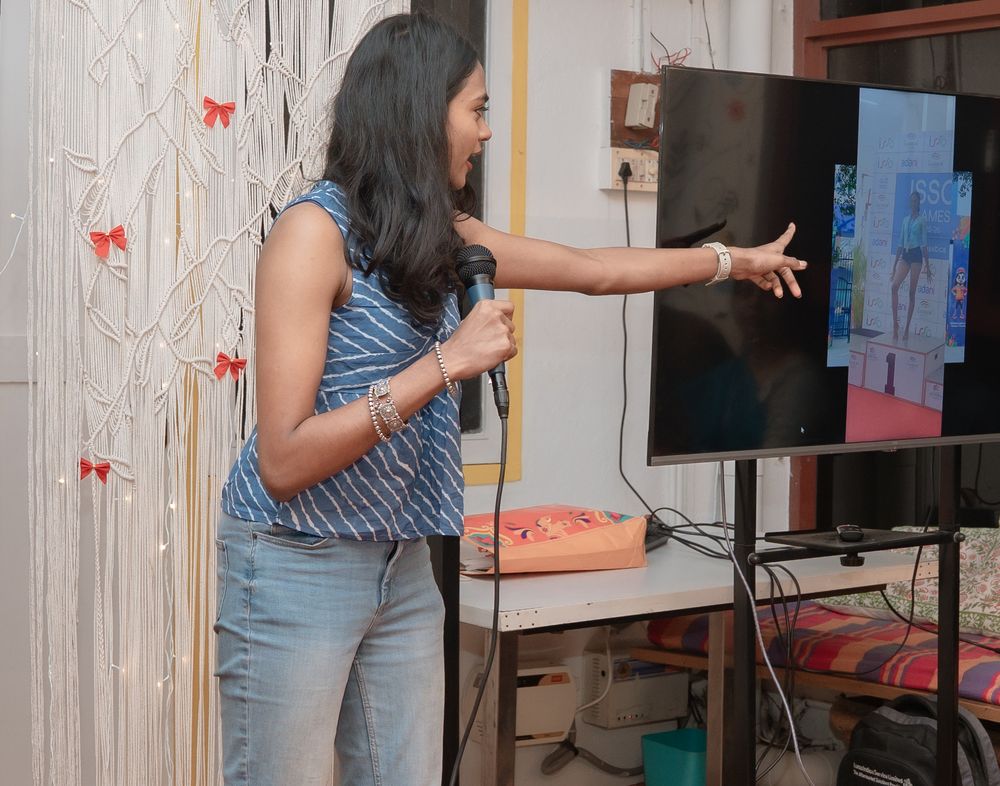
A teenager may arrive with a dream, a changing interest or a question they cannot yet answer. Dream Mapping begins by listening. From there, academic choices, the timetable, mentoring and real-world work take shape around the learner. As their dream changes, the plan can change too.
KNOW. DESIGN. DO. SHOW.WHAT THEY LEARN SHAPES THE NEXT PLAN.
↗
MENTORING
A mentor for every learner.
A mentor comes to know your teenager beyond individual subjects. What interests them? Where are they growing? What is difficult? We listen to your observations too, while helping your teenager take increasing responsibility for the work.
A named mentor stays with the whole picture.
GUIDANCE AND RESPONSIBILITY
Independence takes practice.
Your teenager does not need to arrive knowing how to manage everything. We work with them on planning, meeting deadlines and asking for help. Freedom comes with responsibilities, not the absence of adults.
THE LEARNING WEEK
How we design the week.
Three days in the pod and two days of online, off-site or independent learning form one full-time plan. Every part has academic work, responsibilities or a meaningful purpose.
THREE DAYS IN THE POD
Teaching and learning together.
Academic sessions, teaching, feedback and work with peers. These days also make room for mentoring and community life.
TWO DAYS BEYOND THE POD
Time for individual work.
Scheduled online learning, independent work, projects and agreed pursuits. Internships and other experiences fit the learner’s stage and plan.
ACROSS THE WEEK
A plan to keep on track.
Your teenager works towards deadlines and checks in with their mentor. Work completed, questions and difficulties inform what happens next.
Every year builds on the last through academic study, growing responsibility and experiences beyond lessons. These examples describe a Cambridge journey; NIOS plans follow the learner’s chosen subjects and stage.
GRADE 9
Explore and establish foundations.
Settle into IGCSE subjects, build study habits and begin testing interests through projects and experiences.
GRADE 10
Build evidence and choose what follows.
Prepare for IGCSE examinations and use what the learner has discovered to shape the next academic choices.
GRADE 11
Deepen subjects and real-world work.
Develop AS Level understanding, pursue relevant experiences and begin purposeful university planning.
GRADUATION
Prepare for graduation and university.
Complete academic requirements and prepare a portfolio, applications and a well-considered next step.
Interests can change along the way. The knowledge, work and experience already gained remain valuable.
KNOW · DESIGN · DO · SHOW
Every time they learn something new, the plan becomes clearer.
Know, Design, Do and Show connects what the learner wants to explore with what they study, try and produce. The evidence brings us back to what matters now.
KNOW
We understand the dream.
What do they love? What have they shown? Where do they want to go? Dream Mapping, LEAP and conversations help us listen.
DESIGN
We design the educational path.
Subject choices, grouping, a workable timetable, projects and responsibilities give their interest academic direction.
DO
They take action.
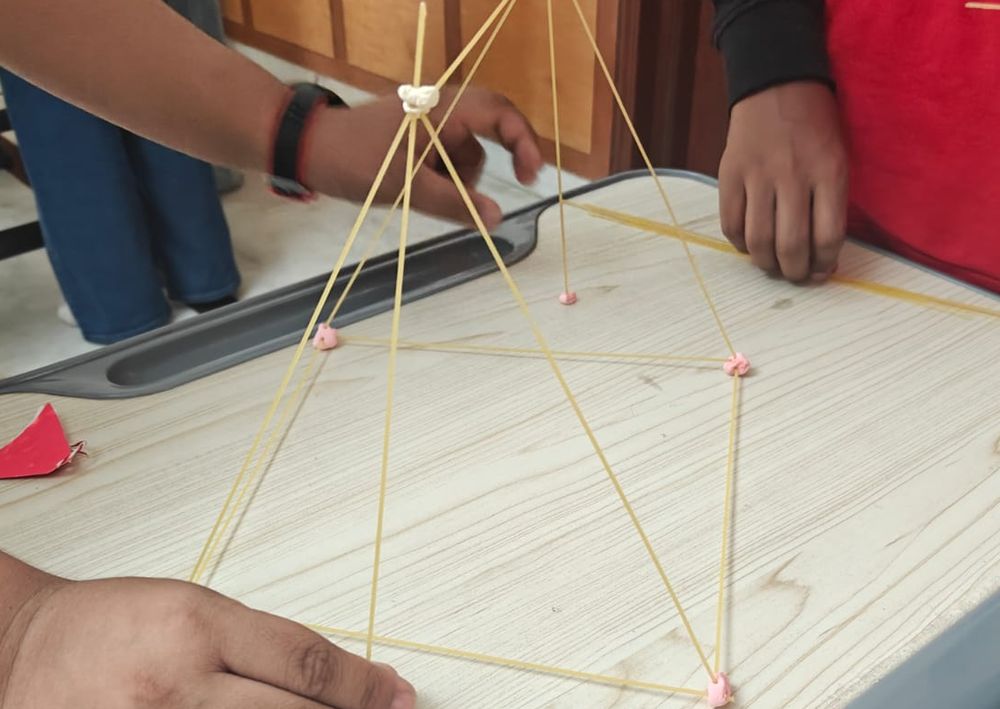
Serious study, projects, expert interactions and internships help them test the plan through real work.
SHOW
They show the evidence.
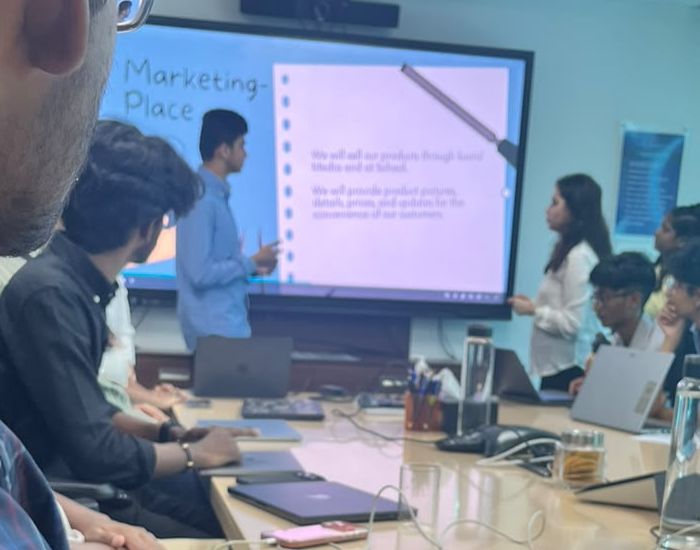
Completed work, examination results, reflections and feedback make progress visible and inform the next decision.
Show returns to Know. If the dream changes, the plan changes with it. What the learner has already learnt and made still matters.
THEIR STARTING POINT
Different starting points.
Some teenagers know their next destination. Others want to try a few things before choosing. Both need serious study and adults who will listen.
CURIOUS
A clear interest.
We help your teenager develop a serious interest through appropriate academic choices and time for meaningful work.
UNSURE
Still exploring.
Projects and mentoring give your teenager a way to test interests before choosing a direction.
READY TO CHANGE
A changing direction.
When your teenager’s interests change, we revisit the subjects and work that belong in their plan.
YOUR NEXT STEP
See how it works for your teenager.
Tell us about their interests, their work and the questions your family is considering.